
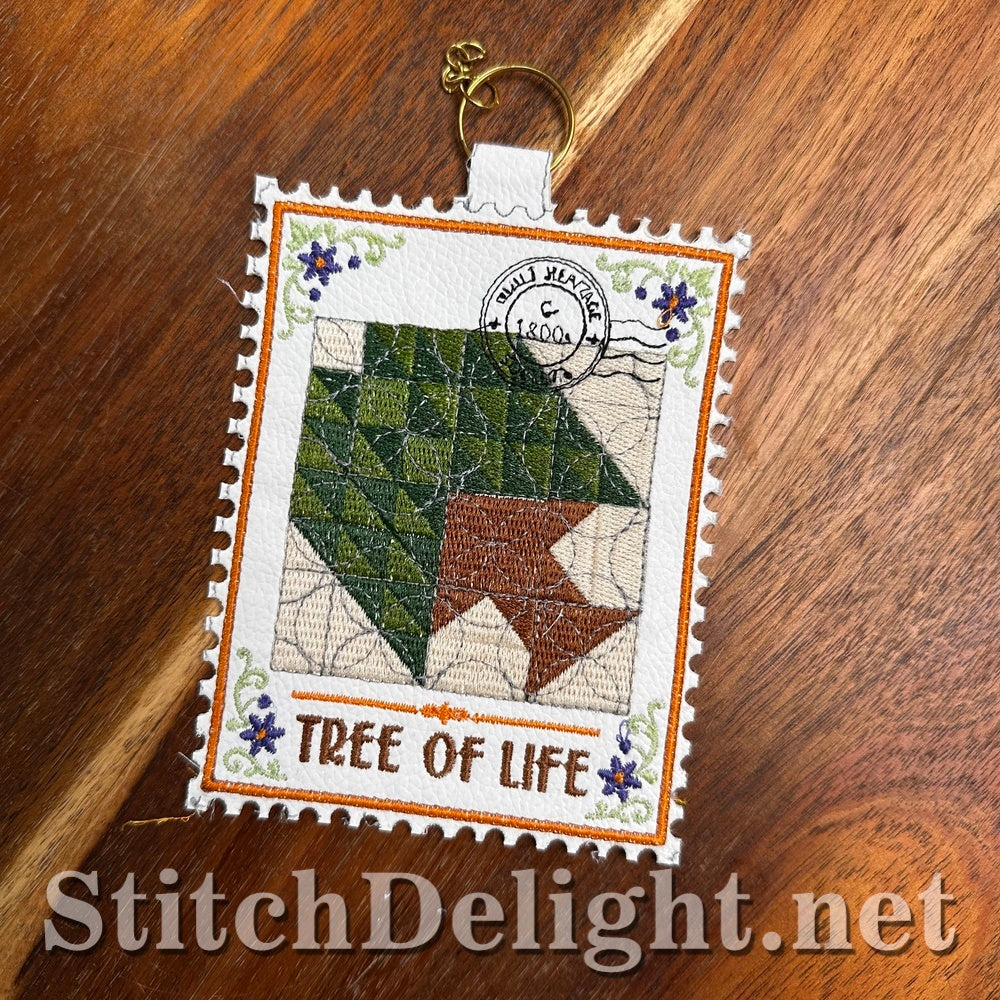
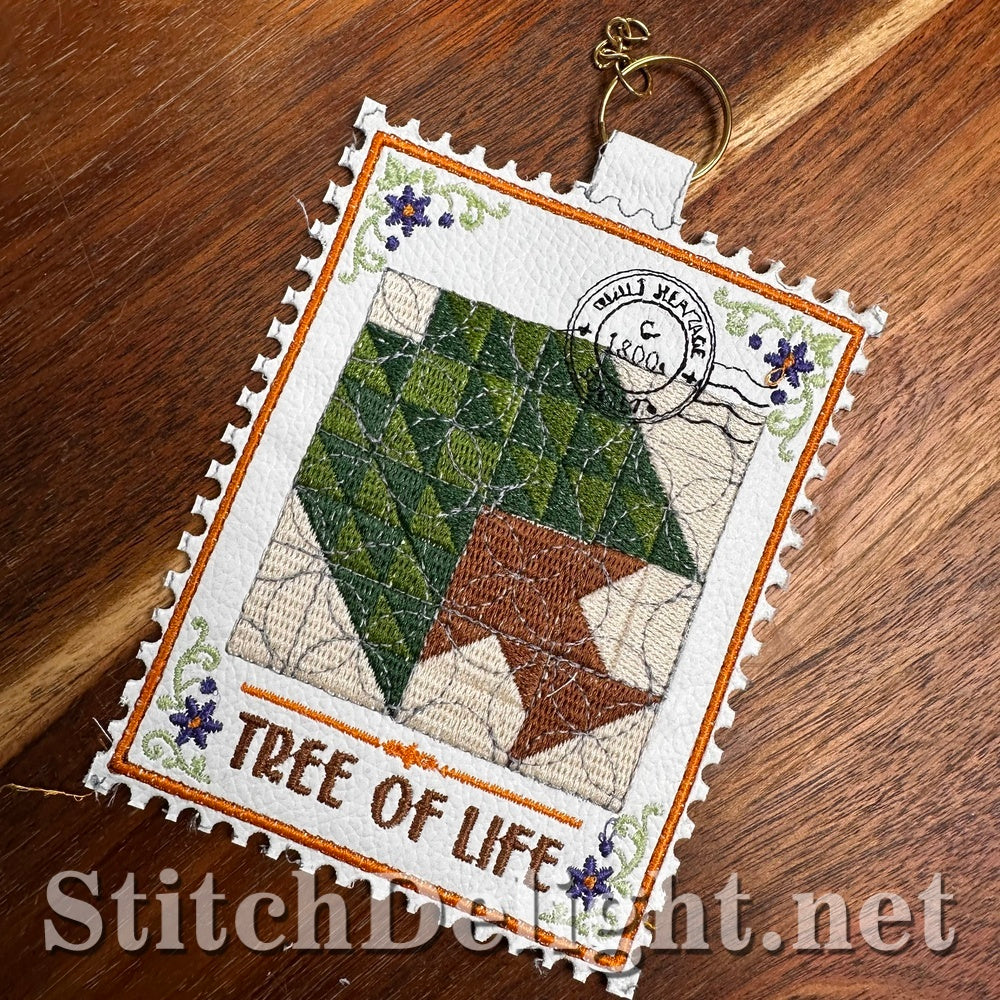
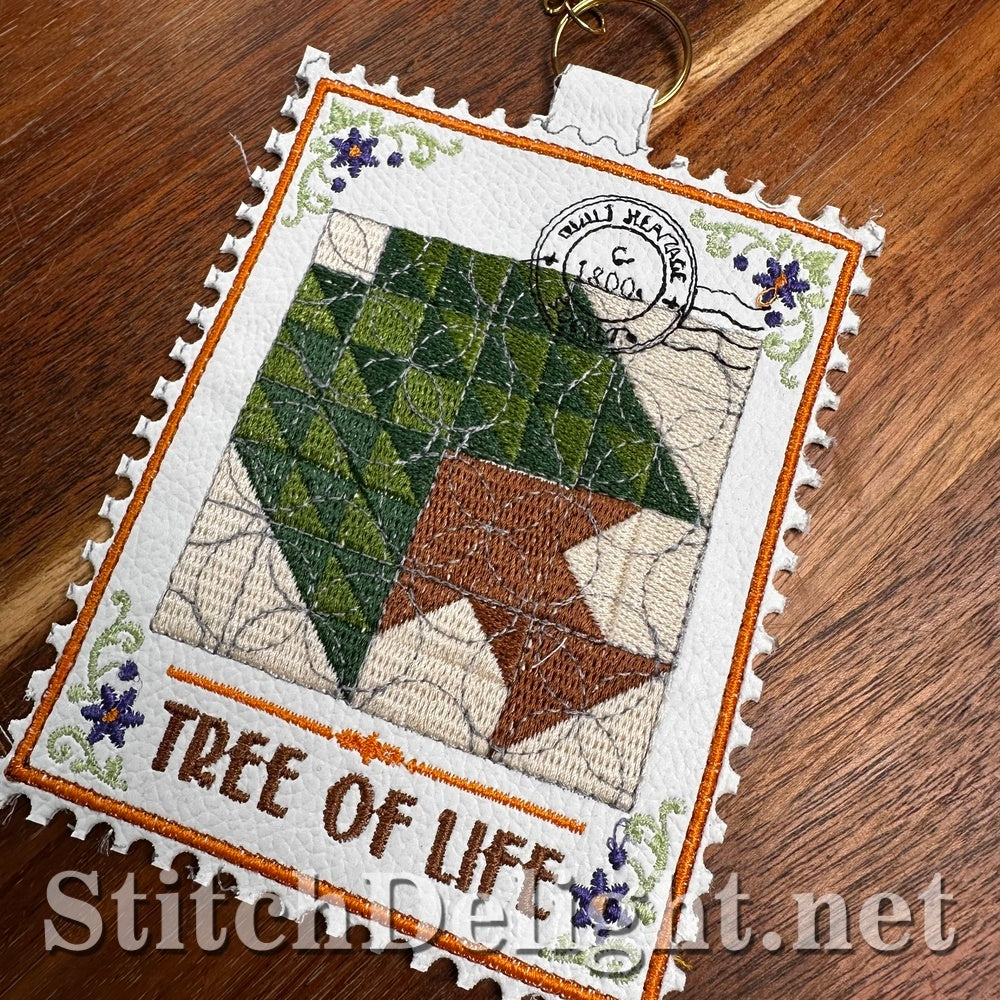
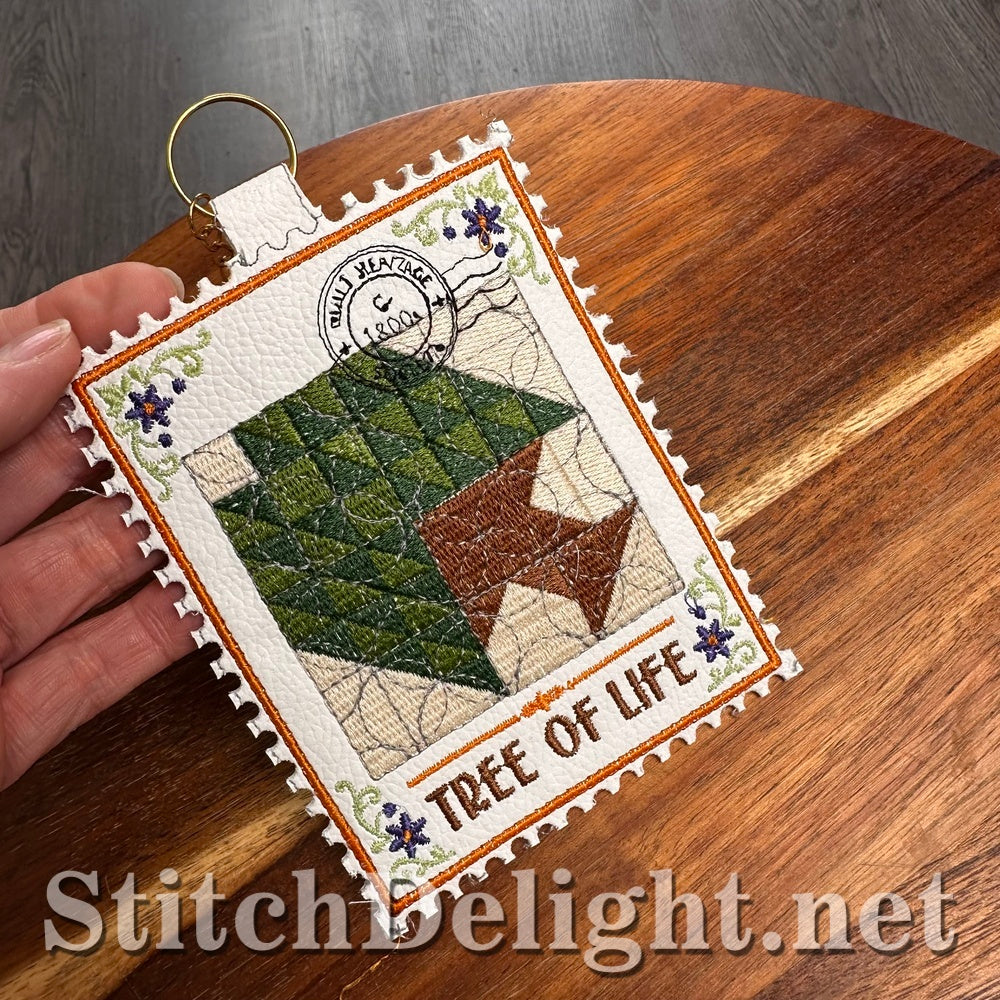
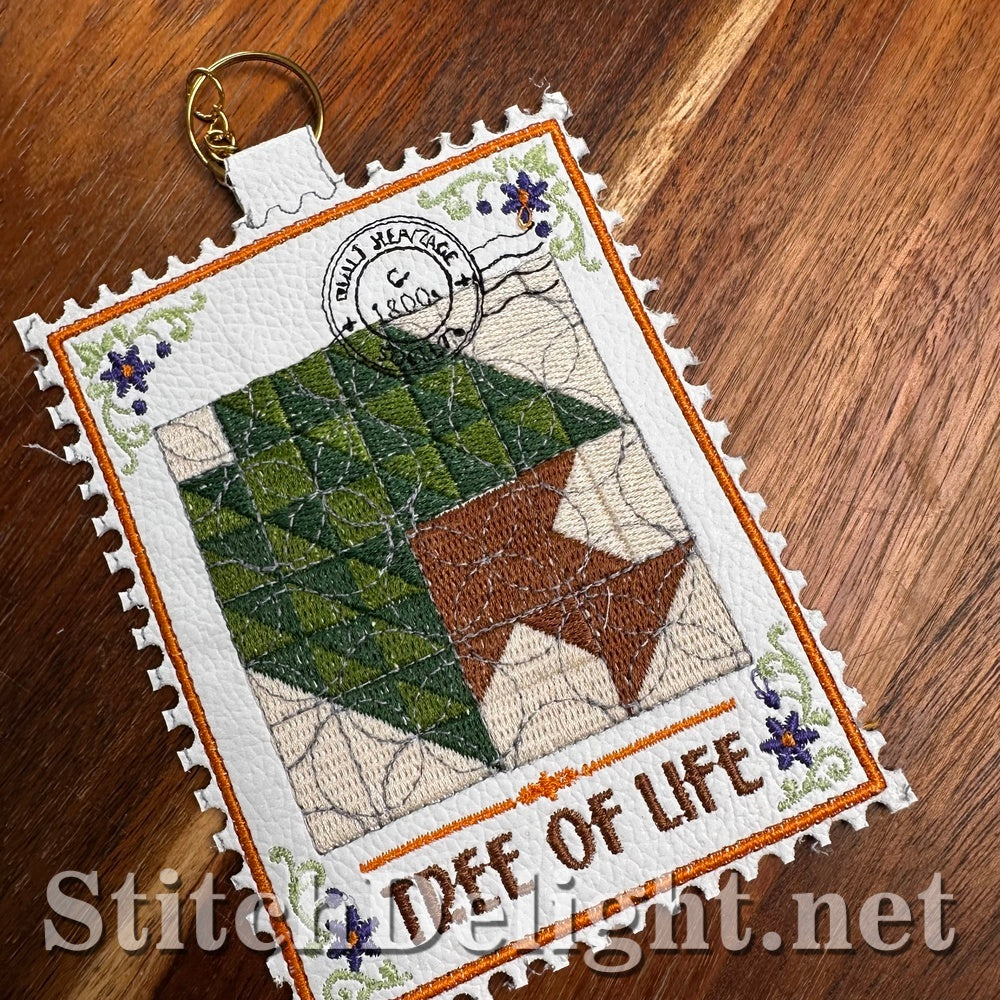
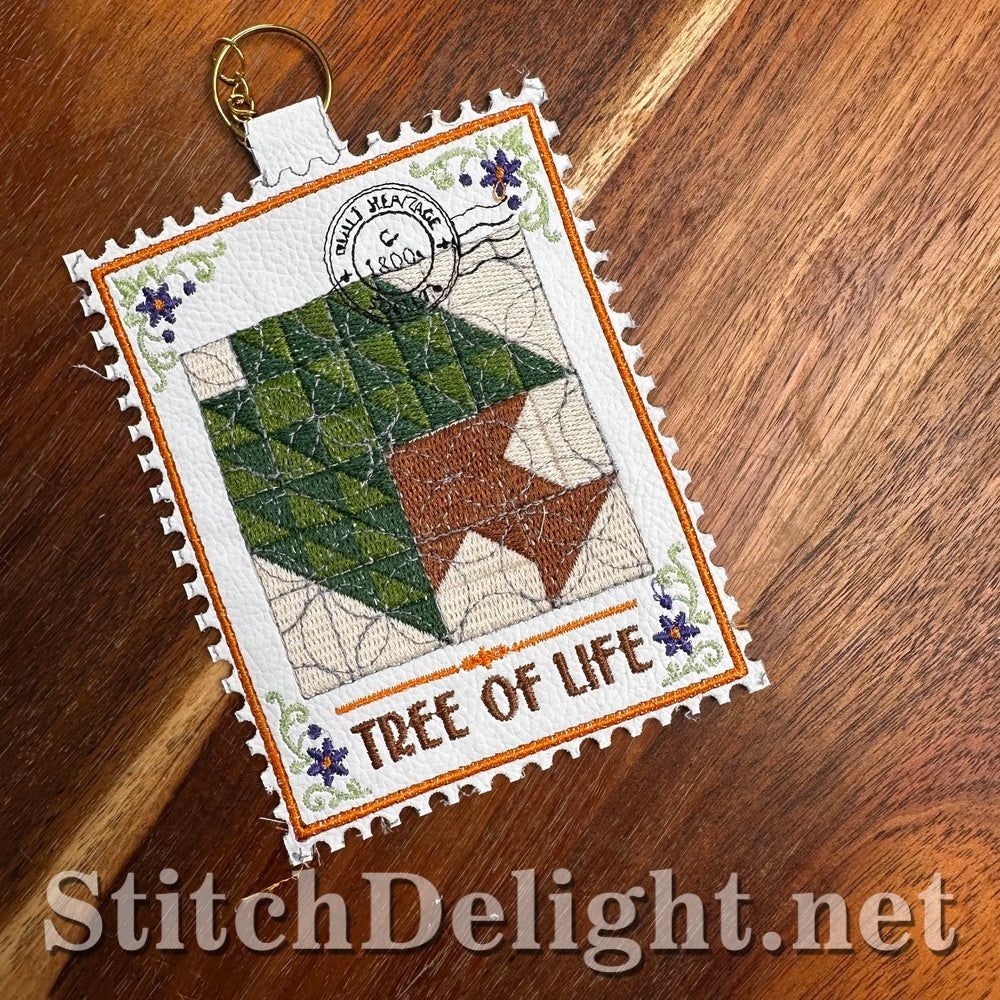


Description
The Tree of Life is one of the oldest and most enduring motifs found in quiltmaking. Its story reaches much further back than American quilting: the stylized flowering trees seen on Indian palampores—hand-painted cotton textiles made for bed coverings and hangings—had a major influence on European and American textile design.
By roughly 1775–1820, the Tree of Life had become a particularly popular quilt design among American quiltmakers. Early examples were often made using broderie perse or appliqué, with branches, flowers, birds and other botanical elements cut from printed chintz fabrics and arranged into elaborate compositions.
One fascinating example in the International Quilt Museum dates to approximately 1790–1810, showing just how early this motif appeared in American quilts.
🌿 What makes the Tree of Life special?
The symbolism is part of its enduring appeal. Across many cultures, the tree represents growth, strength, renewal, protection and the connection between earth and heaven. In quiltmaking, the branches often become a canvas for the maker's imagination, with flowers, birds, leaves and sometimes fruit filling the tree.
And there was no single "correct" Tree of Life.
Quiltmakers frequently adapted the design to suit the fabrics and techniques available to them. Some were highly stylized, while others became wonderfully exuberant gardens filled with flowers and birds.
Paiement & Sécurité
Vos informations de paiement sont gérées de manière sécurisée. Nous ne stockons ni ne pouvons récupérer votre numéro de carte bancaire.