
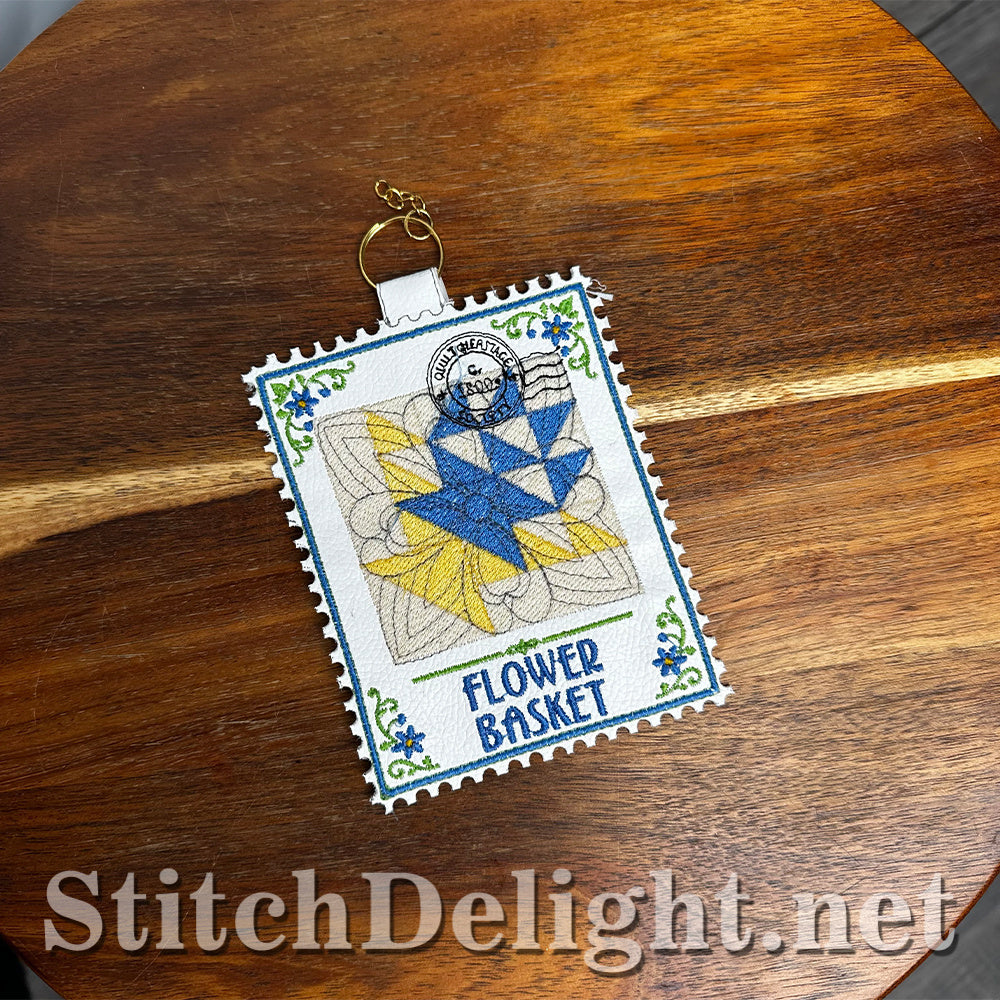


Description
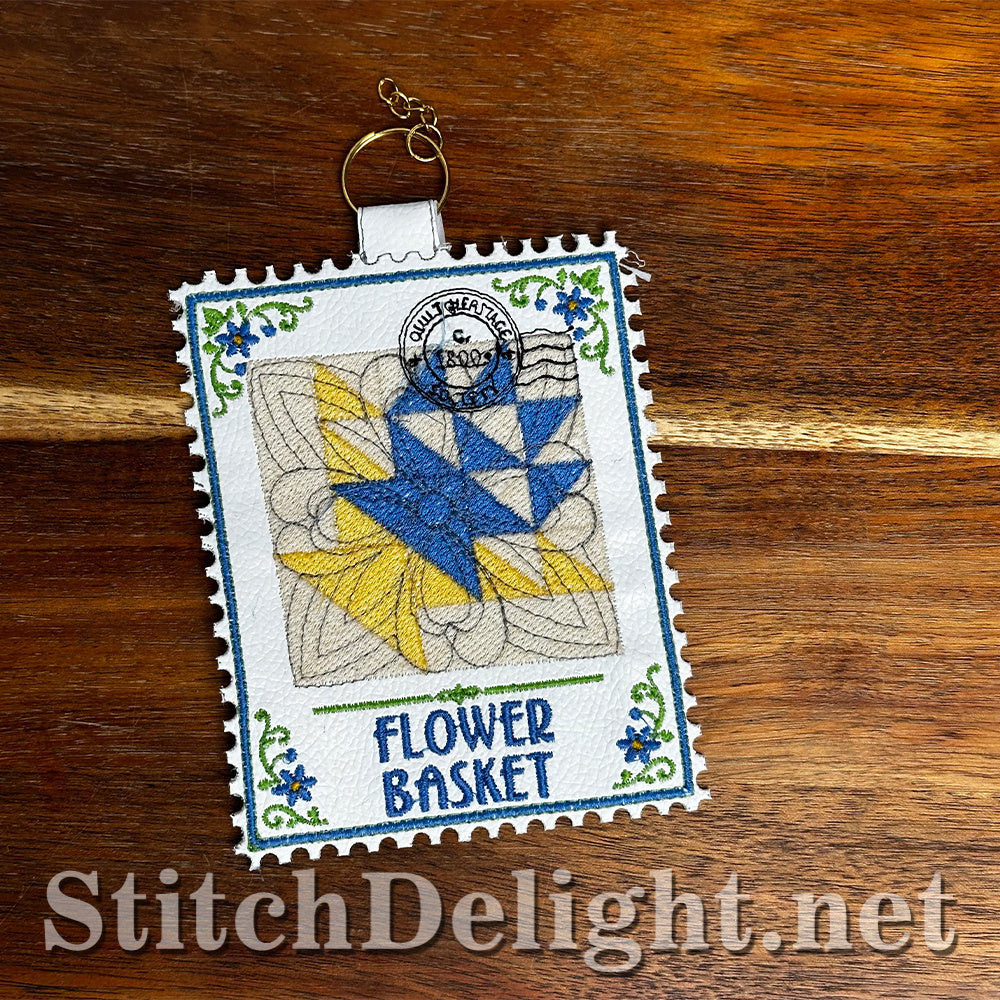
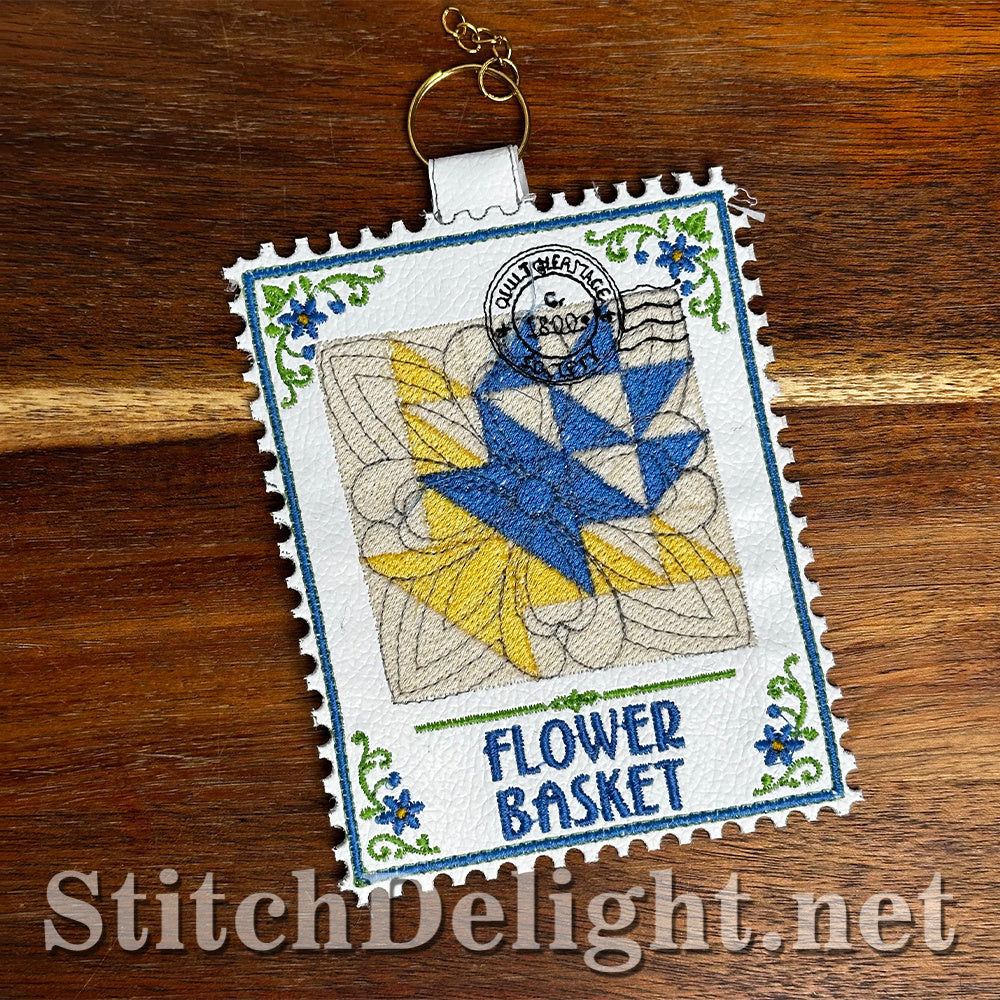
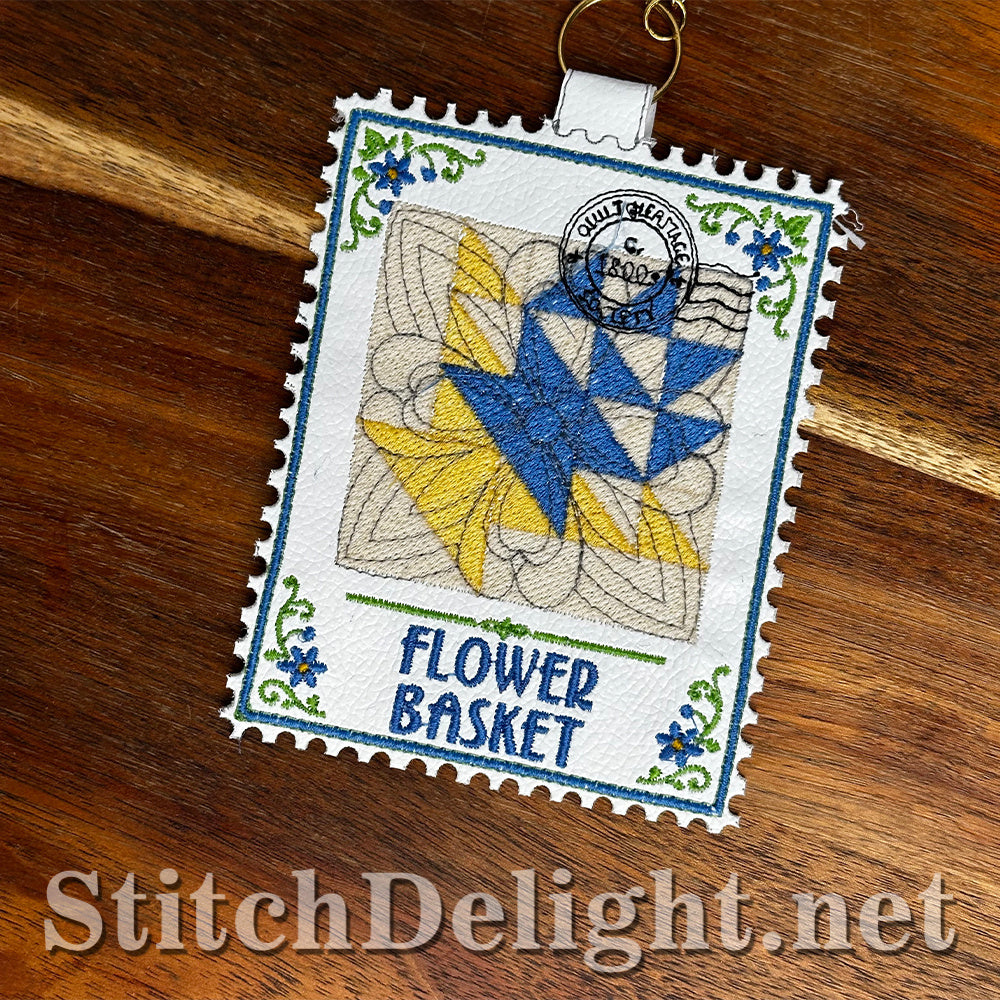
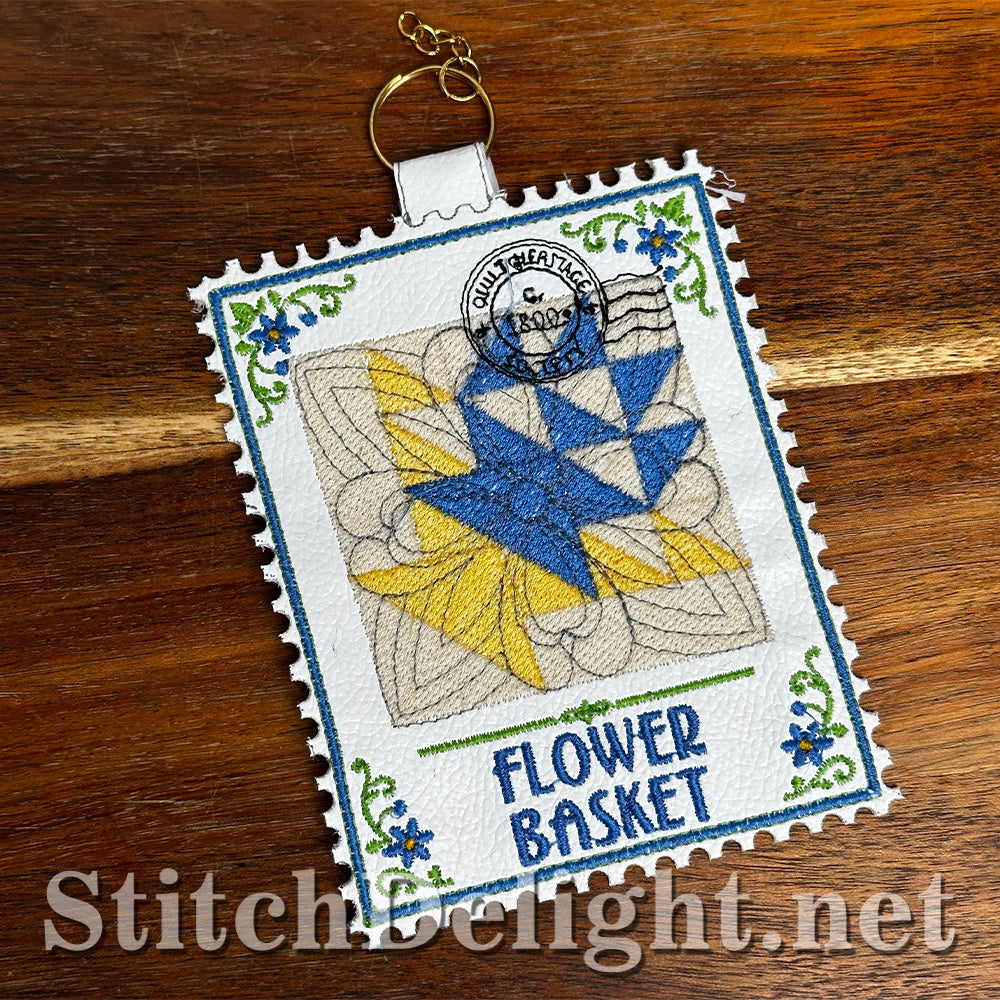
The Flower Basket is a classic American quilt motif that combines two things quilters have loved for generations: beautiful flowers and the symbolism of the home.
Basket quilt designs became particularly popular during the 19th century, appearing in many different forms. Some were pieced from geometric shapes, while others used appliqué to create elaborate baskets overflowing with flowers. There isn't one single "original" Flower Basket block—rather, it belongs to a large family of traditional basket designs that evolved as quiltmakers put their own creative spin on them.
🌷 A Basket Full of Meaning
The basket itself has long been associated with abundance, generosity and the comforts of home, while flowers traditionally represented beauty, growth and new beginnings.
That made a basket overflowing with flowers a particularly charming subject for quilts intended as gifts or family heirlooms.
🧵 Why quilters loved it
One of the wonderful things about Flower Basket designs is their versatility. A quilter could use scraps of many different colours for the flowers, making every basket unique. The same basic block could therefore become a spring garden, a harvest basket, or a riot of Victorian florals depending on the fabrics chosen.
🌸 Did you know? Basket blocks were especially popular in album and friendship quilts, where individual blocks were made by different people and brought together into one treasured quilt.
💕 A little piece of home
The Flower Basket is a lovely example of pictorial quilting—using fabric to create an image rather than relying solely on geometric patterns.
And I think that's exactly why it belongs in your Heritage Quilt Society Volume 3: after the geometric precision of the earlier volumes, we're now beginning to tell stories through flowers, gardens and the natural world.
A basket of flowers, stitched with love and made to last. 🌷🧵
Paiement & Sécurité
Vos informations de paiement sont gérées de manière sécurisée. Nous ne stockons ni ne pouvons récupérer votre numéro de carte bancaire.