


Beschreibung
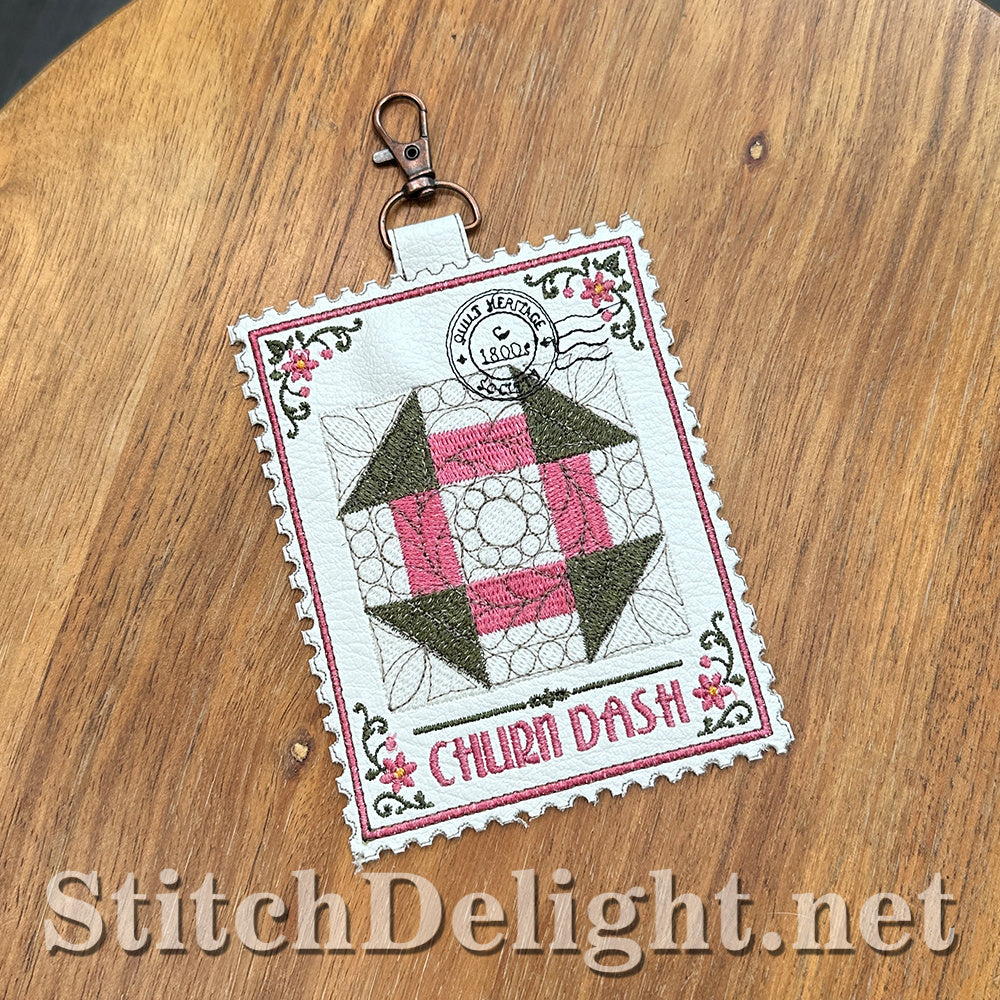
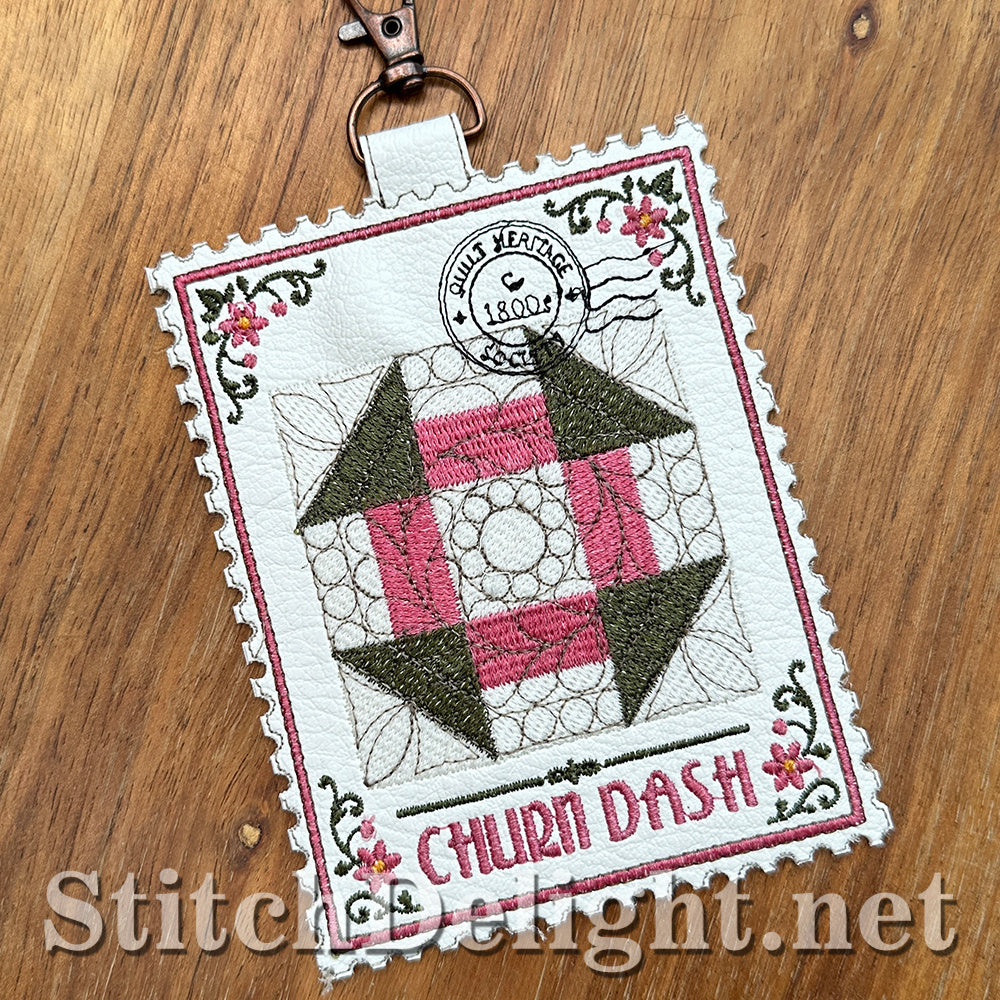
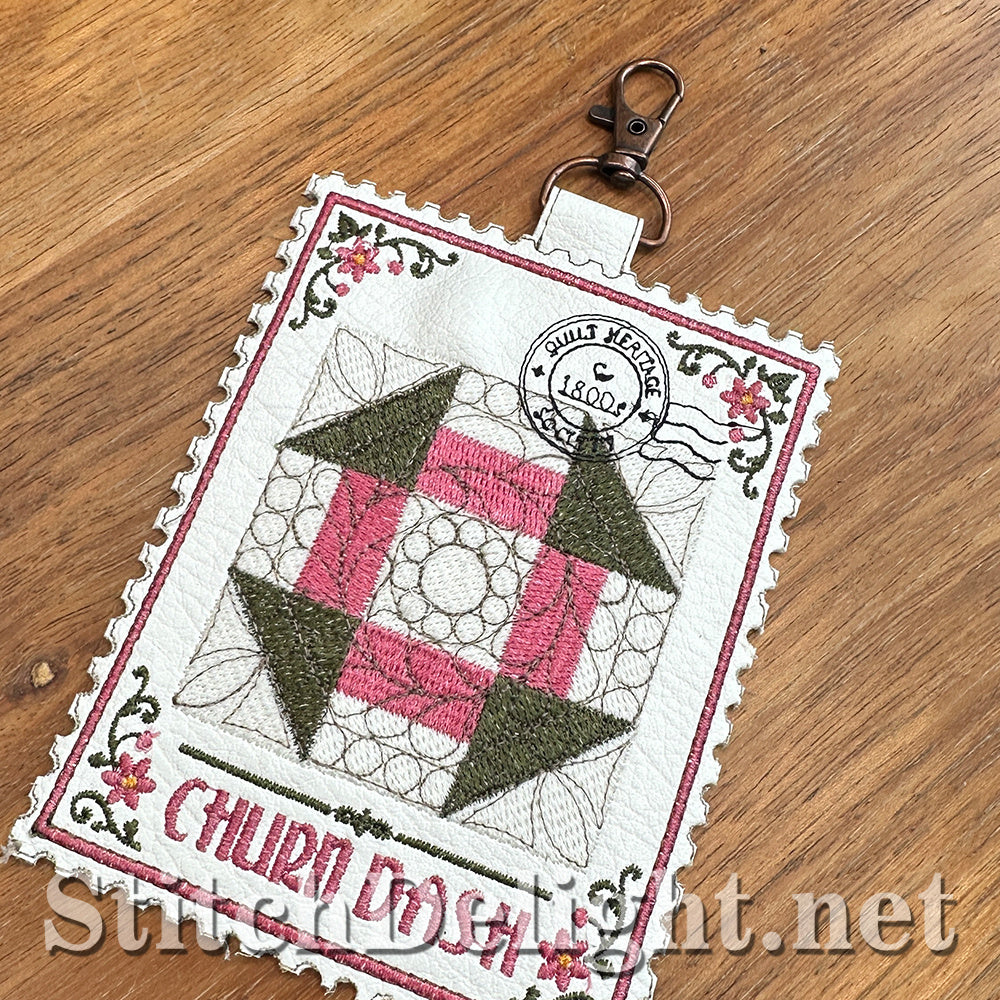
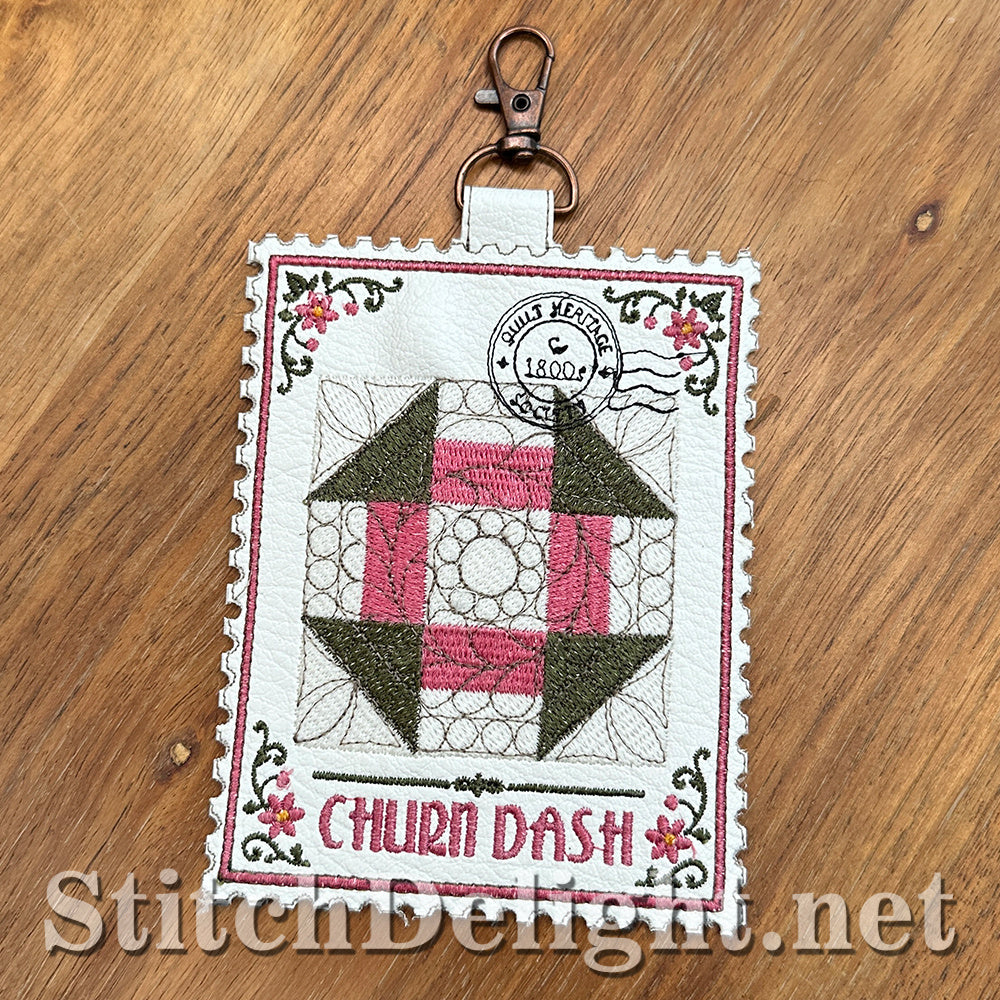
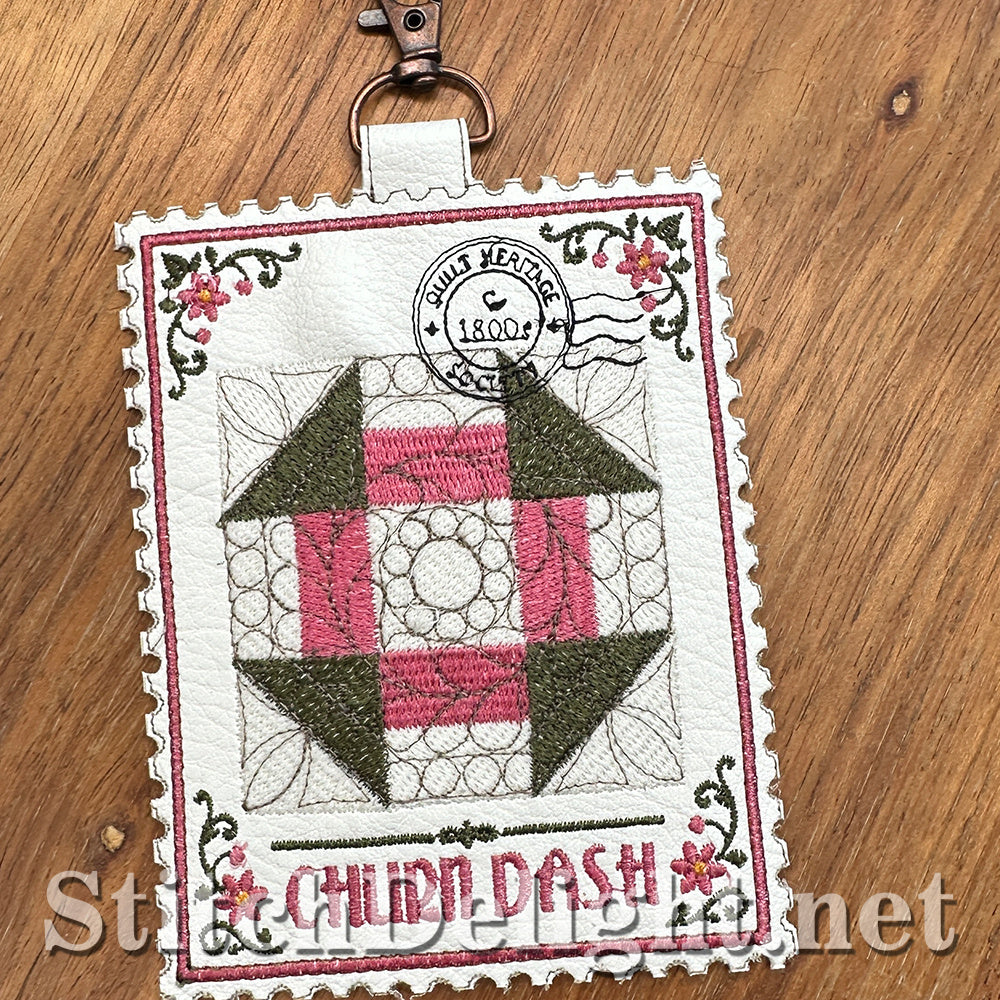
Churn Dash
Home. Hard Work. Self-Sufficiency.
If walls could talk, the humble butter churn would have quite a story to tell.
Long before supermarkets and refrigerators, nearly every farmhouse had one. Making butter was a daily chore, and the familiar wooden churn became such an important part of home life that it eventually found its way into quilt blocks.
The Churn Dash is believed to date back to the early 1800s, although similar designs likely appeared even earlier. Its simple geometry made it easy to piece by hand, making it a favorite among pioneer women who often stitched quilts from precious fabric scraps after long days of tending the farm.
The block's name comes from the paddle—or "dash"—inside a traditional butter churn. As the handle was pushed up and down, cream slowly transformed into butter. It was hard work, requiring patience, strength, and determination—qualities that perfectly reflect the spirit of the women who made these quilts.
Today, Churn Dash has become one of the most recognizable traditional quilt blocks in the world. Despite its simplicity, changing the colors or fabric placement can dramatically alter its appearance, giving modern quilters endless creative possibilities.
A Little Heritage
Origin: Early America, early 1800s
Symbolism: Home • Hard Work • Self-Sufficiency
Fun Fact: During the 1800s, butter churning was often a daily task. A family could spend hours each week making enough butter for cooking, baking, and preserving food, making the butter churn one of the busiest tools in the farmhouse.
Whether stitched in reproduction fabrics or bold modern prints, the Churn Dash remains a beautiful reminder of simpler times, when quilts were stitched not only to keep families warm, but to tell the stories of everyday life.
Collect your Stamps HERE
Payment & Security
Deine Zahlungsinformationen werden sicher verarbeitet. Wir speichern keine Kreditkartendaten und haben auch keinen Zugang zu deinen Kreditkartendaten.